
























Fragmented Legitimacy
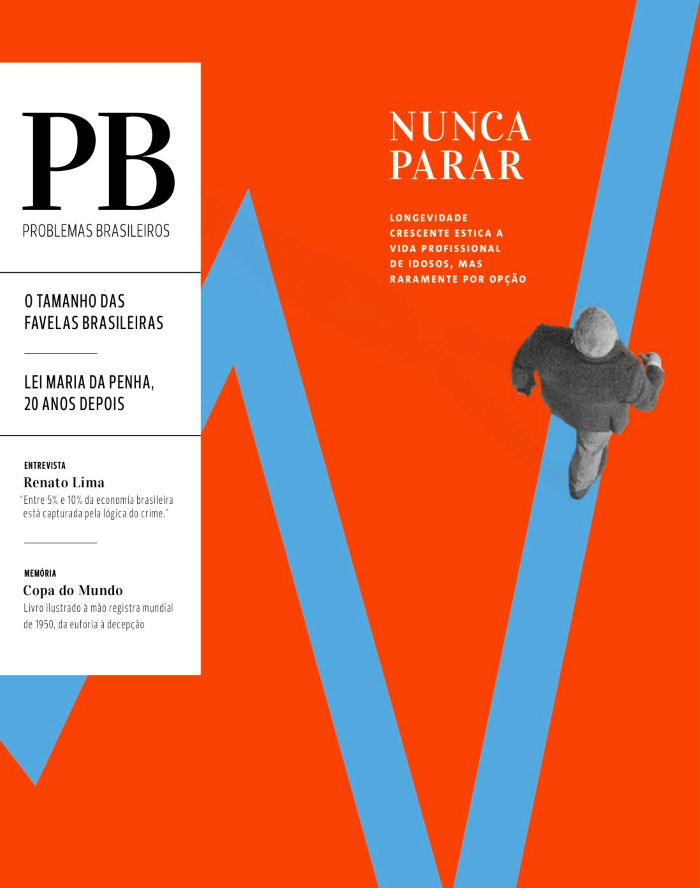
Originally published in Problemas Brasileiros, Aberje’s member FecomercioSP’s magazine
Legitimacy can be understood as one of the defining processes of contemporary communication. In an environment shaped by constant exposure, fragmented attention and an ongoing competition among narratives, organizations have become less dependent on formal structures of authority and increasingly dependent on their ability to justify their role, practices and values in the eyes of society.
The idea of legitimacy is closely tied to social recognition. It refers to the perception that an institution acts appropriately within a shared system of norms, beliefs and expectations. Sociologists Peter Berger and Thomas Luckmann, authors of “The Social Construction of Reality”, understand this process as part of what they call the “social construction of reality”. In other words, institutions must continually explain and justify their own existence if they are to be recognized and reproduced within society. Legitimation therefore functions as a mechanism for stabilizing the social world.
Legitimation through communication can be observed through three principal dynamics. The first is utility, when organizations demonstrate competence by delivering tangible benefits through their products and services. The second is compatibility, when they seek alignment with shared social values and collective expectations. The third is transcendence, when they ground their actions in purposes, ethical principles and justifications that go beyond purely practical reasons.
Within organizations, these dynamics are expressed primarily through communication. Through discourse, symbols, public positioning and institutional narratives, companies shape how they are understood and seek recognition from their stakeholders. Communication does far more than transmit information: it organizes interpretations, frames events and offers justifications for decisions, identities and organizational purpose.
Today’s communication environment, however, places these processes under growing strain. Fragmented attention, the proliferation of digital platforms and continuous public exposure have made it increasingly difficult for organizations to sustain coherent and enduring narratives. Legitimation no longer takes place within a relatively centralized arena; instead, it unfolds across dispersed, simultaneous and constantly contested spaces.
Yet this does not signal the end of legitimation as a possibility. On the contrary, the greater the instability, the greater the need to construct meaning capable of sustaining relationships, recognition and trust. Legitimacy may be more fragmented, volatile and contested than ever before, but it remains one of the fundamental forces structuring organizational communication and ensuring organizations’ long-term continuity in an increasingly turbulent world.
Within the corporate environment, legitimacy functions as a mechanism for organizing organizational reality itself. Companies construct narratives about who they are, which values they represent and what role they play in society. Institutional existence alone is no longer sufficient. Organizations must also be perceived by governments, the media, investors, employees and society as relevant, competent and legitimate.

ARTIGOS E COLUNAS
Carlos Parente “Sem pódio de chegada ou beijo de namorada”Graziela Voltarelli Por que insistimos em convencer quem já está convencido?Paulo Nassar A grandeza dos pequenos rituais do trabalho
Destaques
- Study on polarization examines its impact on corporate communication
- Election cycle heightens communications and public affairs challenges across the Americas
- BRpr Highlights Research on the Evolution of Communication and Global Industry Trends
Notícias do Mercado
- Study on polarization examines its impact on corporate communication
- Election cycle heightens communications and public affairs challenges across the Americas
- BRpr Highlights Research on the Evolution of Communication and Global Industry Trends