






















Inside the Global Compact Engagement and Communication Commission

*Natália de Campos Tamura
Sustainability is one of the essential topics in communication. There are at least 100 different definitions on the subject, such is their breadth and complexity, but one of the best-known and most widely publicized definitions of sustainable development emerged in 1983 when the World Commission on Environment and Development was established. It is: “Fulfilling the needs of the present generation without compromising the ability of future generations to meet their own needs.”
Since then, several organizations have taken up the proposal to treat the theme with professionalism and practical relevance. One of them is the UN Global Compact, an initiative proposed by the United Nations to encourage companies to adopt corporate social responsibility and sustainability policies developed in the year 2000 by former United Nations Secretary Kofi Annan.
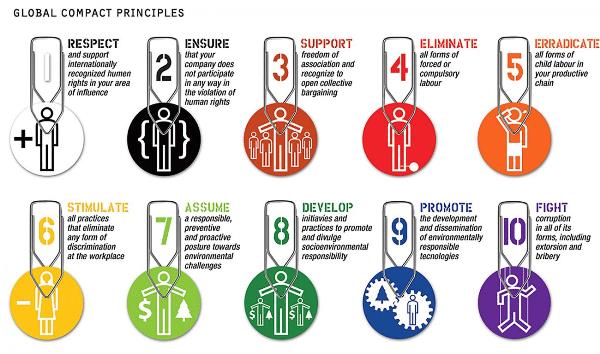 In 2003, the Brazil Network of the Global Compact was founded in Brazil, a local network with more than 700 signatories and whose proposal is to work in partnership with the United Nations Development Program (UNDP).
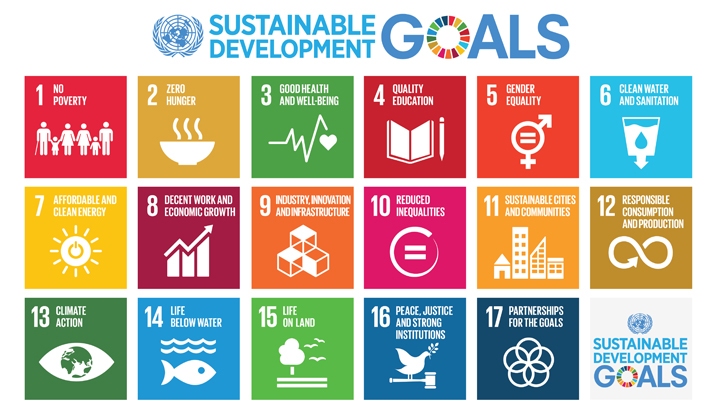
Several companies have taken on the role of collaborating with the goals of the Sustainable Development Goals (ODS) by looking at their routines and making changes to them. In this sense, it goes from changing small habits in an office, for example, to invest in your local community.
To collaborate with this broad network of companies, suppliers, clients, local communities and any stakeholder that can help in the fulfillment of ODS, the CEC (Engagement and Communication Commission) was formed in 2016 by communicators and sustainability professionals working on different fronts companies and signatory organizations.
Last June, members of CEC met at the company Itaipu Binacional for a full day, to get to know the company’s social and environmental reality, exchange good practices among the participants and move the materials it has been producing. In addition to being familiar with the company’s facilities, the CEC commission was able to talk with the communication and sustainability teams throughout the morning and make productive exchanges on the company’s practices about the topics.
The company has always dealt with three types of challenges: human – because of its history, linked to an intense migration of officials from various parts of the country – energetic and diplomatic. The company is a signatory of the Global Compact and contributes to the fulfillment of ODS by acting and establishing a dialogue with many of its stakeholders – from customers to suppliers, from children to their employees. The objective of Itaipu, when adhering to the Global Compact, is to contribute to the promotion of the principles propagated in its area of operation, starting with the inclusion in its strategy and daily operations.
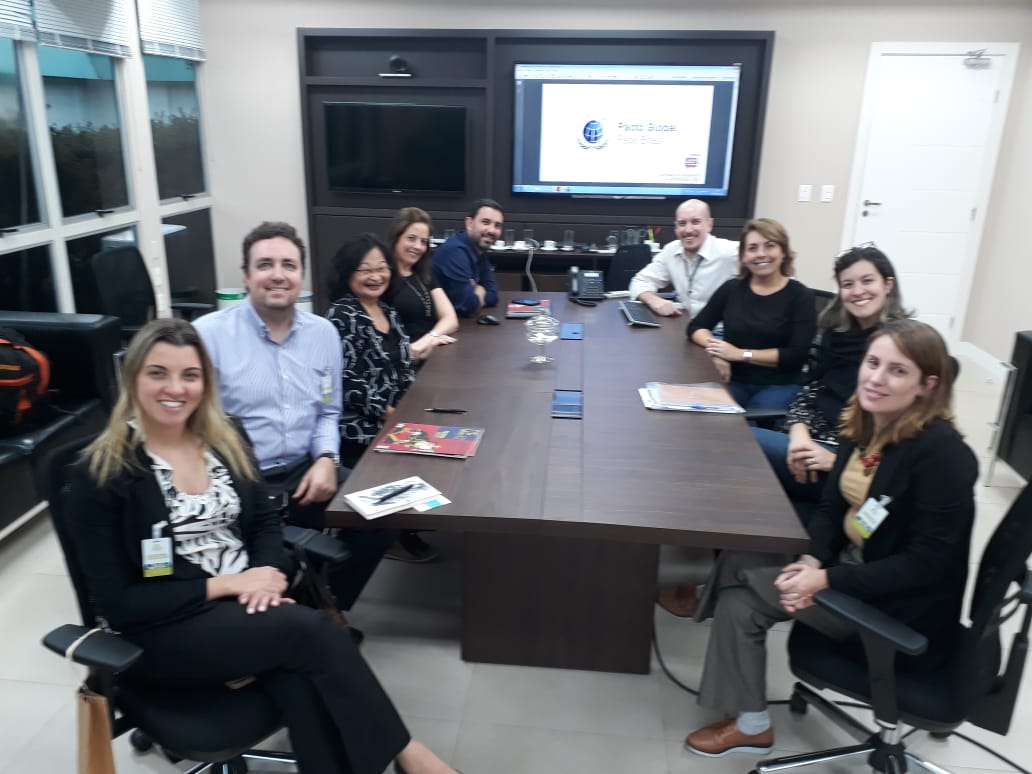
*Natália de Campos Tamura represents Aberje in the executive secretariat of the CEC of the Global Compact.
ARTIGOS E COLUNAS
Letícia Tavares Comunicação Relacional como fator de proteção da saúde mentalCleide Cavalcante Human Skills na era da IA: o profissional do futuro já chegouCiça Vallerio Comunicação estratégica que começa antes do release
Destaques
- Encontro do Capítulo Centro-Oeste em Brasília debate integração entre Comunicação e Relações Governamentais
- Aberje formaliza eleição de Paulo Dallari para Conselho Deliberativo
- Paulo Nassar revisita a obra de Roberto DaMatta para interpretar o Brasil contemporâneo
Notícias do Mercado
- Diálogos Supera reúne profissionais de Comunicação Interna em Belo Horizonte
- Alter Conteúdo lança guia sobre comunicação da descarbonização
- Vibees Endomarketing é a nova associada da Aberje