























Chinamaxxing
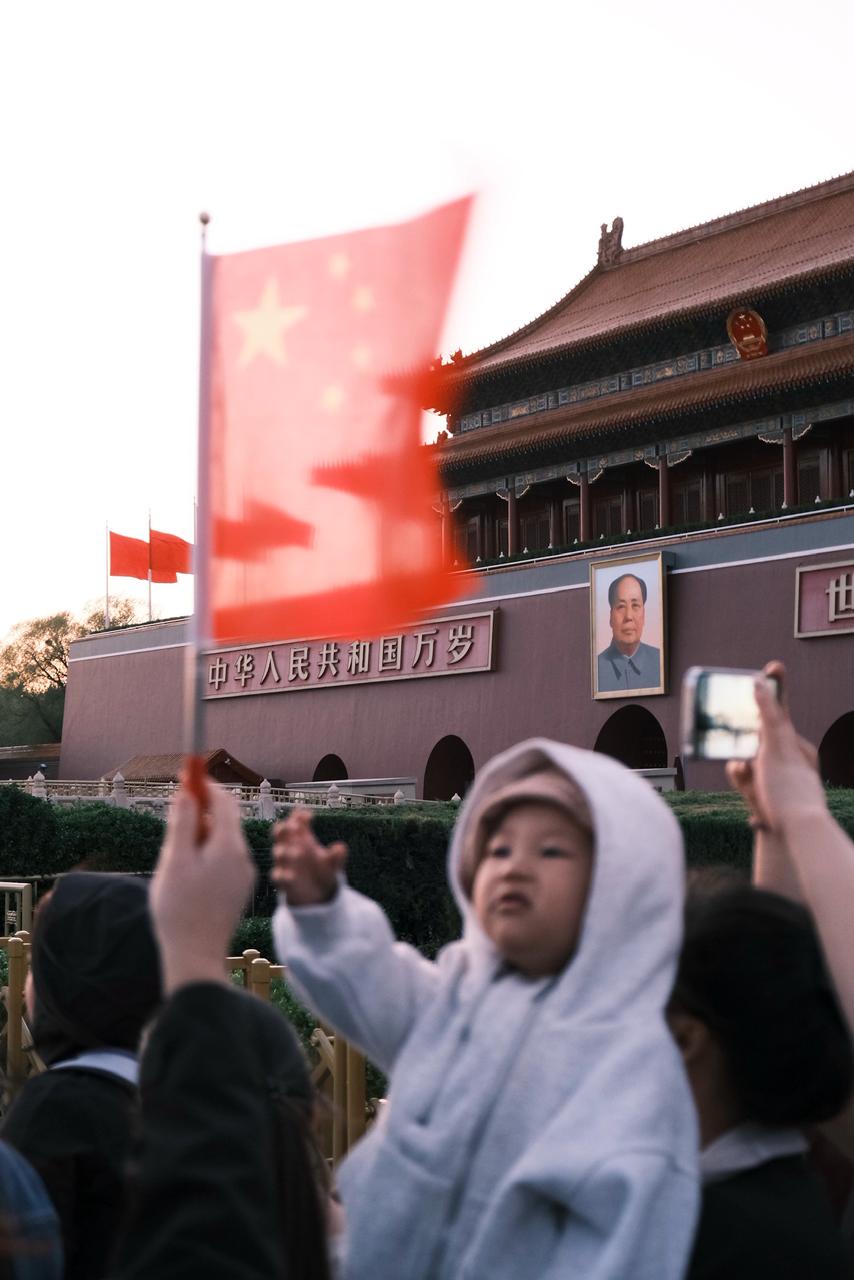
This week, global attention is focused on the meeting between Trump and Xi Jinping in China. Last week also brought headlines about record-high Chinese investment in Brazil. Economic, political, and geopolitical signs of China’s growing influence are everywhere, and that is hardly new.
But there is a quieter movement tied to culture, perception, and soft power that deserves attention. I recently spent 20 days in China, traveling through five different cities. From the largest to the “smallest” — though in China, a small city can still mean tens of millions of people. The plan was to visit friends who had moved there and take a few vacation days. But we forgot to include rest in the itinerary (laughs), and the trip turned out to be incredibly intense.
And the main takeaway was simple: China is becoming cool.
Months before the trip, once the algorithms picked up on my growing interest in the country, my social feeds became flooded with videos, trends, and memes of foreigners living “a very Chinese year” of their lives. The phenomenon even has a name: “Chinamaxxing.” Especially popular on TikTok, the trend involves Gen Z users adopting Chinese habits, aesthetics, routines, and cultural references.
And it shows up in everyday life.
On Nanjing Road, Shanghai’s main shopping avenue, it was impossible not to notice how many people were wearing the viral Adidas jacket inspired by traditional Chinese clothing. While the official version came with a steep price tag, replicas and adaptations were everywhere, from souvenir shops to platforms like Taobao.
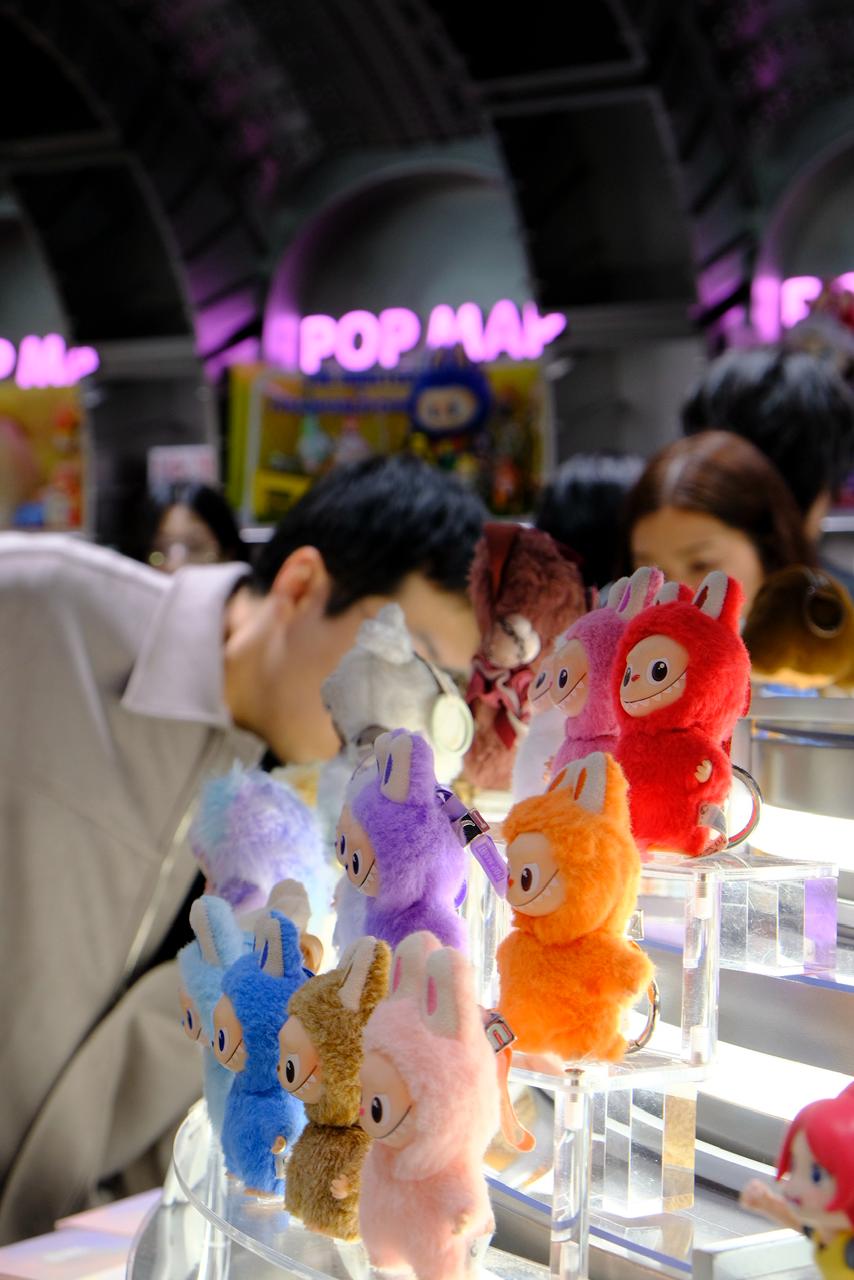
The same goes for Labubus — the cute yet monstrous dolls that have become a global obsession — or for Chinese songs now soundtracking TikToks, Reels, and Stories around the world, such as 大展鴻圖 (Blueprint Supreme) by Chinese rapper Skai Isyourgod. Naturally, I joined the wave myself and came back with a Labubu hanging from my backpack, along with several new playlists filled with local artists currently blowing up across the continent.
China has fully understood the contemporary logic of attention. It has woven traditional elements of its millennia-old culture into the dynamics of digital platforms, viral aesthetics, and online behavior.
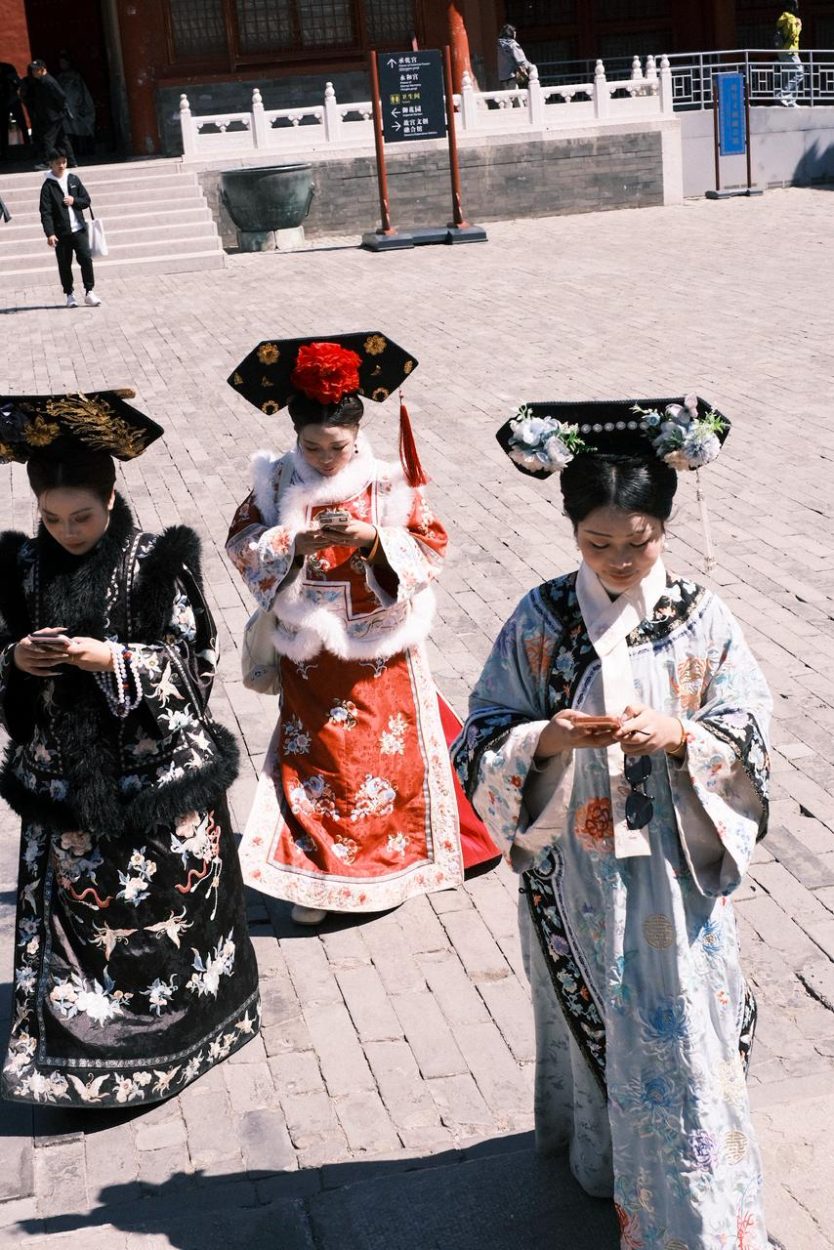
In places like the Forbidden City or the Temple of Heaven, young people stage photo shoots wearing traditional clothing to post on social media and perform a cultural identity that blends national pride, aesthetics, and algorithmic appeal.
Brazil also understands the power of soft power well. “Brazilian-ness” sells, influences, and sparks global fascination. But when it comes to China, the scale shifts entirely.
And perhaps the best way to notice this is by paying attention to your own feed. The next time you find yourself scrolling through TikTok, listening to a viral song, or wanting to buy a specific aesthetic trend, it may be worth pausing for a second: perhaps you, too, are living a very Chinese year of your life without even realizing it.

ARTIGOS E COLUNAS
Rodrigo Amaral O que uma simples corrida de rua pode nos mostrar sobre análise de dadosIsabela Esteves A transparência, sozinha, já não sustenta uma boa reputaçãoLetícia Tavares Comunicação Relacional como fator de proteção da saúde mental
Destaques
- Study on polarization examines its impact on corporate communication
- Election cycle heightens communications and public affairs challenges across the Americas
- BRpr Highlights Research on the Evolution of Communication and Global Industry Trends
Notícias do Mercado
- Study on polarization examines its impact on corporate communication
- Election cycle heightens communications and public affairs challenges across the Americas
- BRpr Highlights Research on the Evolution of Communication and Global Industry Trends