



















New consumption habits during the pandemic
The pandemic has drastically changed all consumer relations. Not only because of the need for isolation, but also the duration of it, which should be extended even further. “Industries that refer to indoor activities have gained more space, and we see a change in behavior in people to adapt to this new situation,” said economist Claudio Felisoni de Angelo, president of the Brazilian Institute of Retail and Consumer Market Executives (Ibevar).
The main changes in consumption habits, according to Ibevar, were:
Digital acceleration
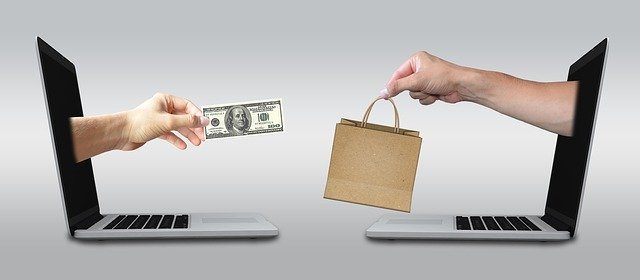
For Felisoni, buying over the Internet is no longer just a behavioral characteristic and has become an urgency. “This movement was already significantly strong in recent years, but the pandemic has accelerated the migration of groups that previously did not purchase products online and now feel this need and need to adapt.”
DIY
Some people have realized that staying at home has become the safest decision during social isolation. In this scenario, the “Do it yourself” concept was naturally imposed. The pleasure of manufacturing or customizing goods begins is again inserted in the consumer’s routine, as well as the benefits brought by the activity, whether financial or emotional.
Price sensitivity
A new look at the economy has impacted the Brazilians’ perception of purchases, as there is significant uncertainty about the long-term effects of the pandemic. “The health and economic crises have destabilized the country and consumer confidence, which has now restricted the monthly budget to only essential items, such as food and medicines,” said Felisoni.
“This caution in spending should remain a post-pandemic behavior, as the Brazilian realized that he could postpone spending, choose cheaper brands, and cut some budget products permanently.”
Local and safe consumption
At a time when people are trying to avoid agglomerations and large centers, the priority becomes consumption by products grown and manufactured locally. Also, the sense of community has become an essential factor in this decision and highlighted the desire to help local producers and businesses, or even support brands that defend a cause with which the consumer identifies.
Brands that meet needs
More than ever, people are looking for brands that meet their needs and ensure a good shopping experience. A study carried out in April by Intelligence Central revealed that 55% of consumers value brands that have adapted to help them, and 58% admire companies that provide a necessary service. “Companies need to develop on this issue; otherwise, they may lose space in the market.”
Contactless shopping
Transactions with zero contact, such as payment links, digital wallets, and contactless or NFC (near field communication), via smartphone or other mobile devices, become attractive alternatives for purchases on the Internet or in physical stores. A survey carried out by consultancy Bain showed that 48% of Brazilians want to continue using these means of payment even after the return of social distance.
According to Felisoni, the quarantine aroused a buying potential that used to be walking at a slow pace. “The trend is for people to look for safer and more practical options to pay for what they consume.”
ARTIGOS E COLUNAS
Paulo Nassar O velho e o marPatricia Marins As próximas crises corporativas não virão de falhas técnicas, mas da percepção de injustiça coletivaElizeo Karkoski Entre o ser e o parecer: reflexões a partir de “Comunicação e Governança”
Destaques
- Samarco compartilha aprendizados em comunicação no LiderCom
- Aberje inaugura “Conversas Setoriais” com debate sobre comunicação, engajamento e reforma tributária para entidades
- Comunicação digital entra no radar das empresas em Comitê da Aberje
Notícias do Mercado
- Ascenty é a nova associada à Aberje
- Profile adere à Ethical Agency Alliance e reforça diretrizes de integridade climática
- Veracel promove workshop para capacitar organizações no acesso a leis de incentivo